


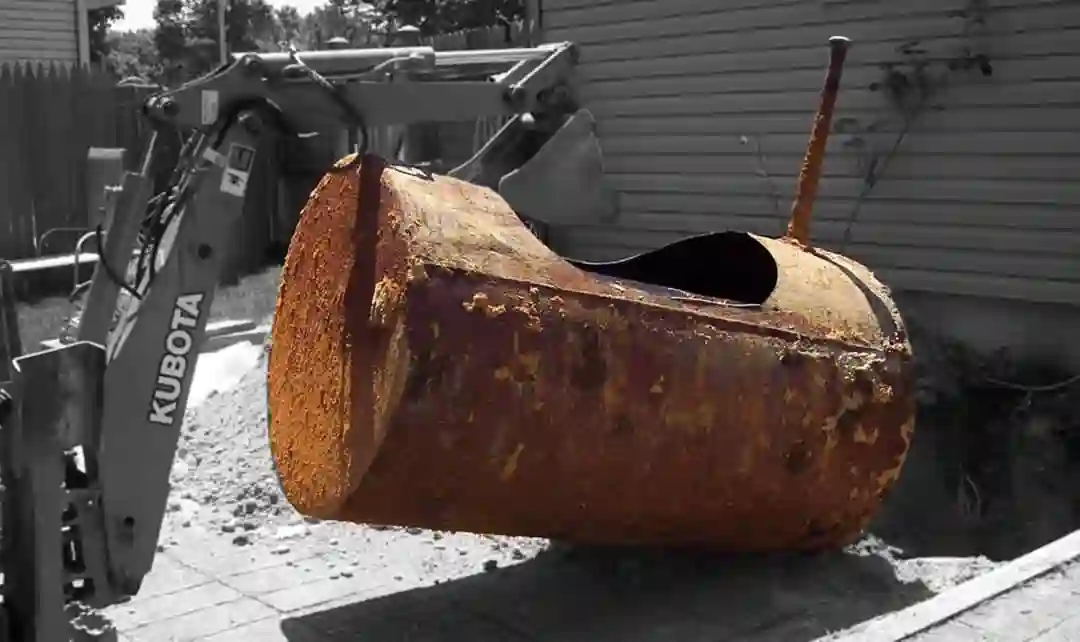
In the realm of environmental management, the removal of underground oil tanks presents a unique set of challenges. As crucial as it is to transition away from fossil fuels, the process of eliminating these relics of the past is not without its hazards. Tank triage, or the strategic assessment and management of risks associated with oil tank removal, becomes paramount in ensuring a smooth and environmentally responsible process.
Understanding the Risks
Oil tank removal is a sensitive undertaking that demands meticulous planning. These tanks, often buried for decades, may contain residual oil, hazardous materials, or deteriorated structural elements. The risks associated with their removal range from soil and water contamination to potential explosions or fires. Moreover, the excavation process itself poses risks to workers and surrounding structures.
Site Assessment as the First Line of Defense
The initial step in effective tank triage is a comprehensive site assessment. This involves evaluating the condition of the tank, soil, and groundwater. Specialized tools like ground-penetrating radar and soil sampling help determine the extent of contamination and identify potential obstacles.
Understanding the history of the tank’s use and maintenance is crucial. Tanks that have been abandoned or neglected are more likely to pose risks. By assessing the site thoroughly, professionals can develop a tailored strategy to mitigate potential hazards.
Regulatory Compliance: Navigating the Legal Landscape
Navigating the regulatory landscape is a critical aspect of tank triage. Different regions have specific guidelines and protocols for oil tank removal to safeguard the environment and public health. Professionals must be well-versed in local regulations and obtain necessary permits before commencing any removal activities.
Compliance not only ensures legal adherence but also establishes a framework for responsible and ethical tank removal. Professionals should engage with local environmental agencies, obtain permits, and adhere to established guidelines throughout the removal process.
Innovative Technologies for Safer Removal
As technology advances, so do the tools available for safe and efficient tank removal. Remote sensing technologies, such as drones equipped with sensors, can provide real-time data on the condition of the tank and surrounding areas. This minimizes the need for invasive procedures and enhances safety by reducing human exposure to potential hazards. Furthermore, advanced robotics can be employed for tasks like cleaning and dismantling, minimizing the need for manual labor in high-risk environments. Embracing these technologies not only enhances safety but also contributes to a more sustainable and efficient removal process.
Emergency Response Planning
Despite meticulous planning, unforeseen circumstances can arise during tank removal. As part of tank triage, it is imperative to develop comprehensive emergency response plans. This includes protocols for containing spills, managing fires, and addressing structural failures. Collaboration with local emergency services ensures a coordinated response in the event of an incident. Regular drills and training sessions help prepare personnel to handle emergencies effectively, reducing the potential impact on both the environment and public safety.
Community Engagement: Building Trust through Communication
Effective tank triage extends beyond technical aspects to include community engagement. Transparent communication with the community is essential for building trust and addressing concerns. Informing residents about the removal process, potential risks, and safety measures being implemented fosters a sense of collaboration and shared responsibility.
Open communication also allows for community input, incorporating local knowledge that can be valuable in tailoring removal strategies to the specific context. Engaging with the community throughout the process helps create a positive narrative around responsible tank removal.
Conclusion Tank triage is an intricate dance of technology, regulation, and community engagement aimed at managing the risks associated with oil tank removal. By combining thorough site assessments, regulatory compliance, innovative technologies, emergency response planning, and community engagement, professionals can ensure a safer and more environmentally conscious removal process. In the pursuit of sustainable practices, the strategic management of risks in oil tank removal becomes not only a necessity but a responsibility. As we phase out outdated infrastructure, the success of tank triage will determine our ability to leave behind a legacy of environmental stewardship for future generations.
Leave a Reply